IAN McKAY: As Rising Horizon comes to an end I wondered whether you are already beginning to take stock of the project, or whether it was possible to stand back from it yet…
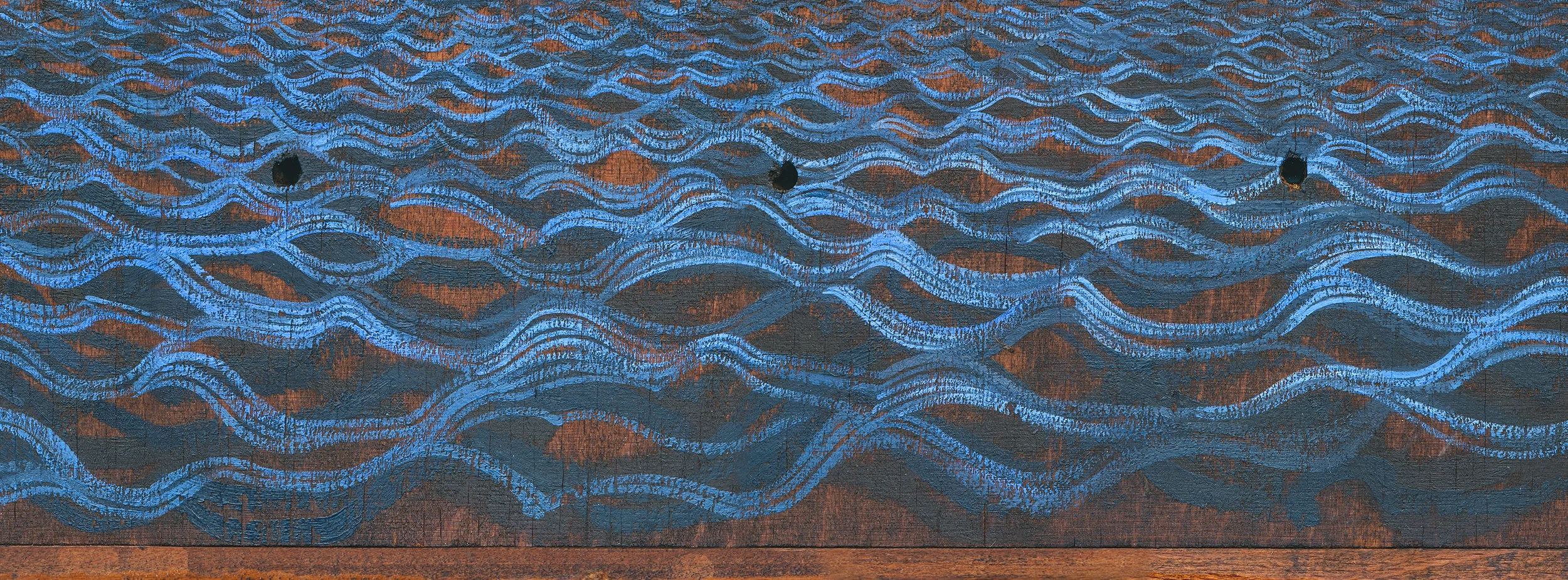
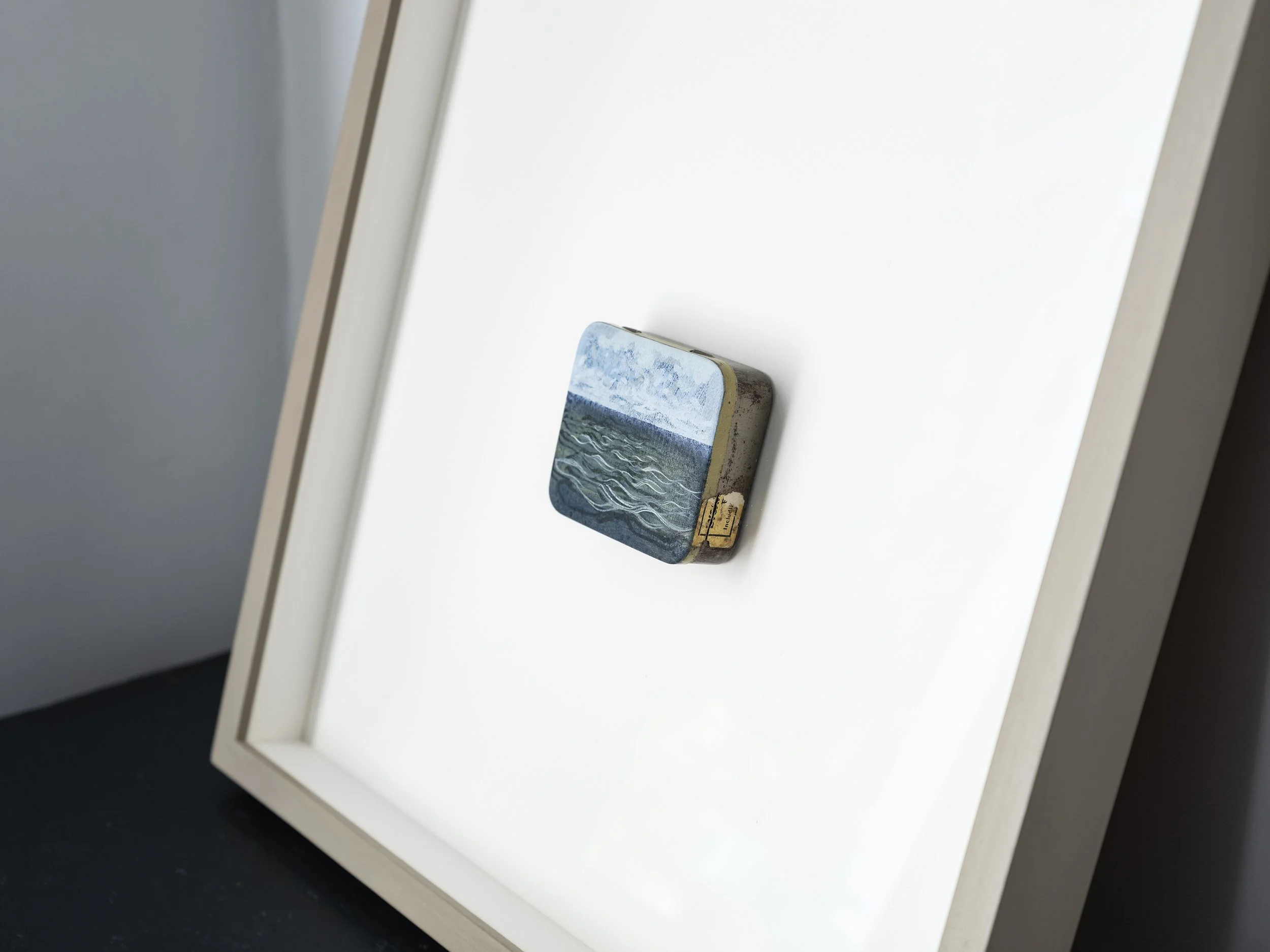
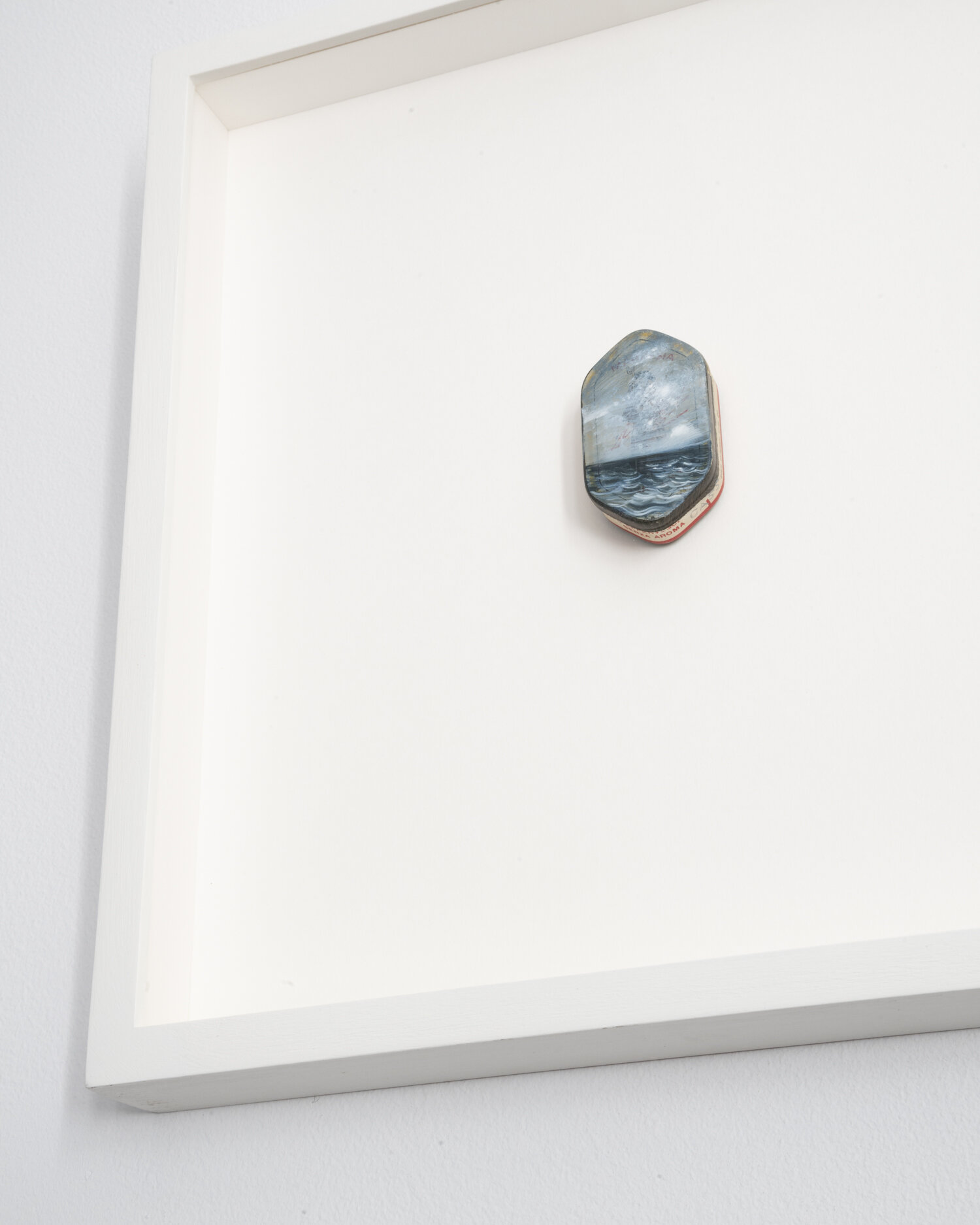
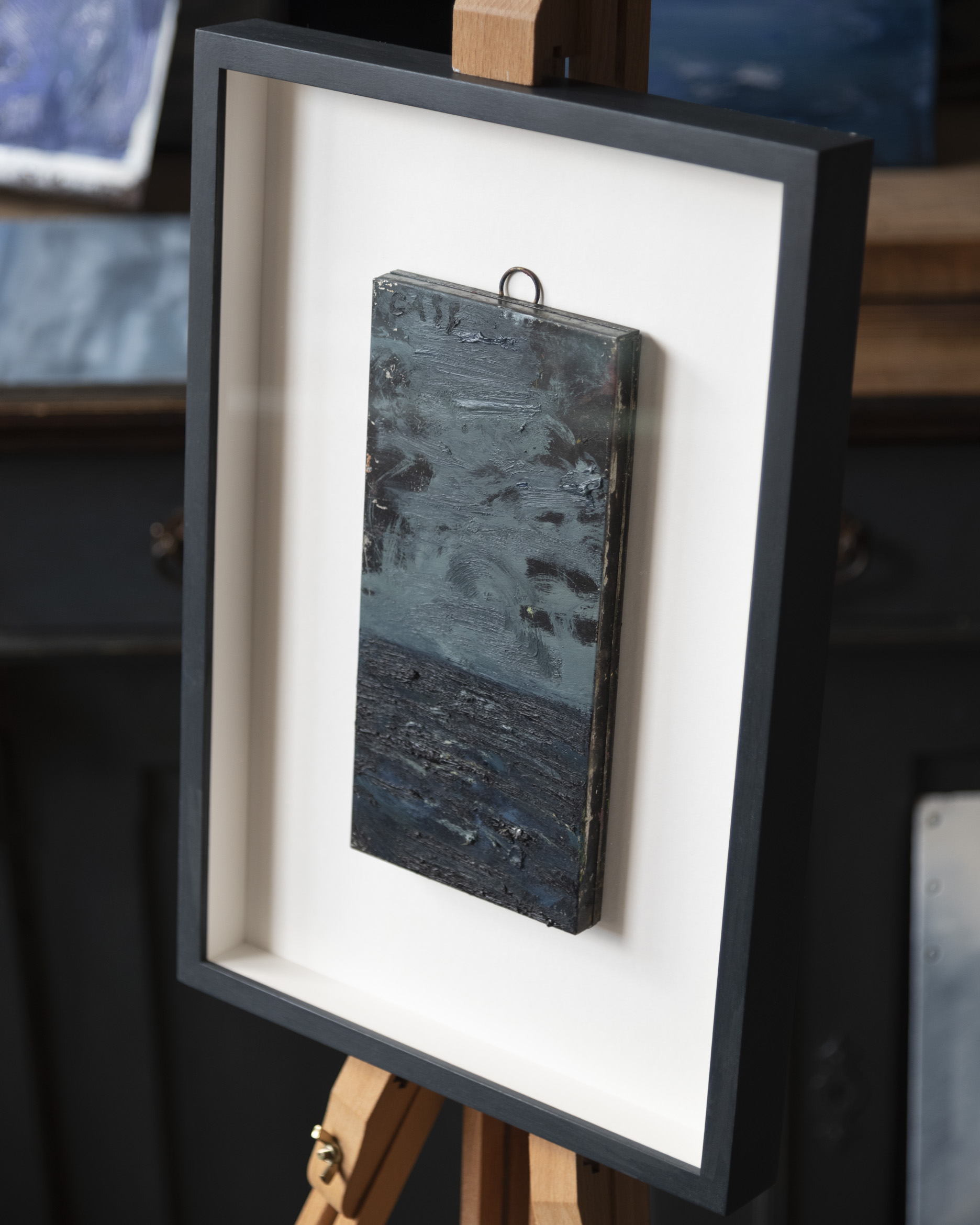
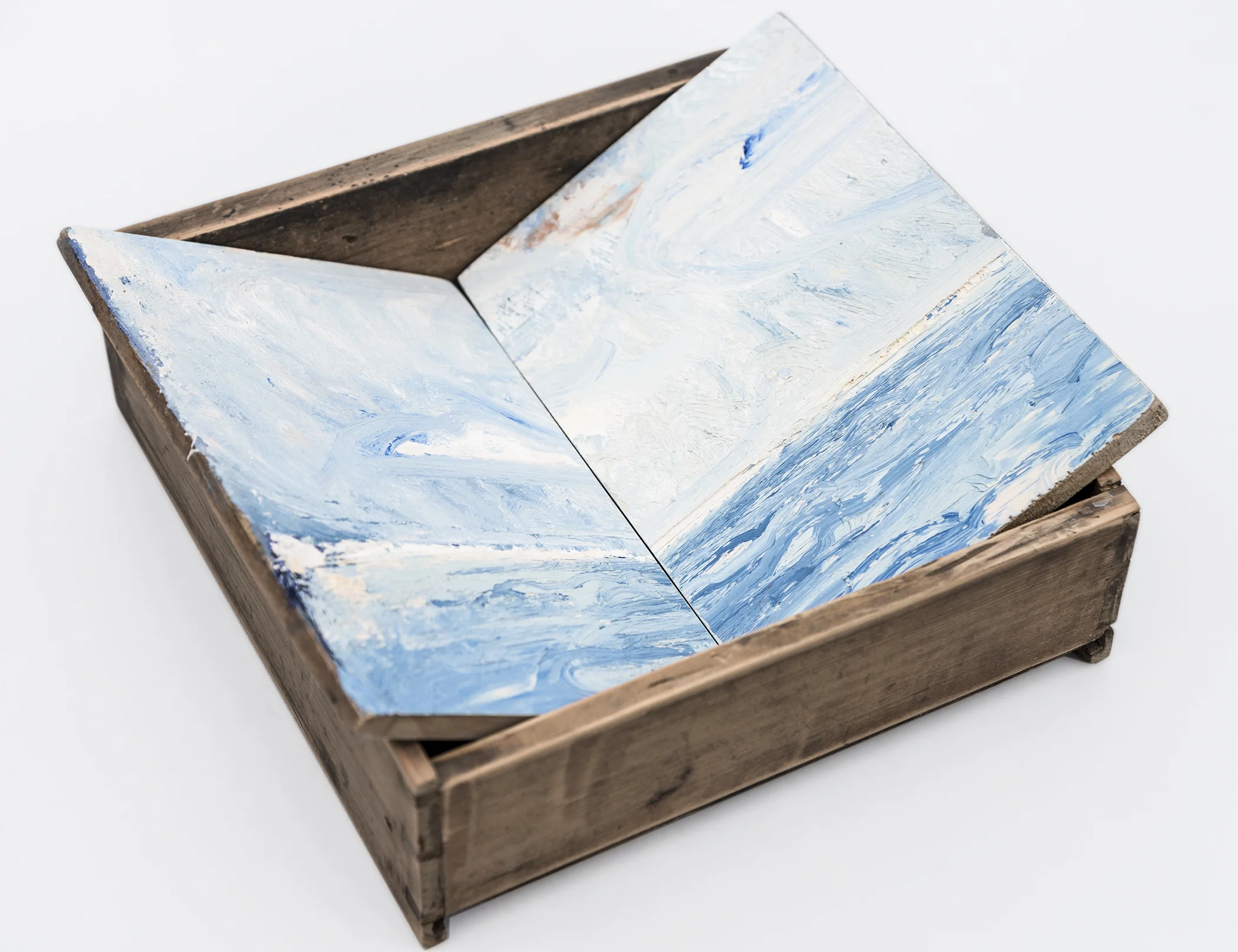
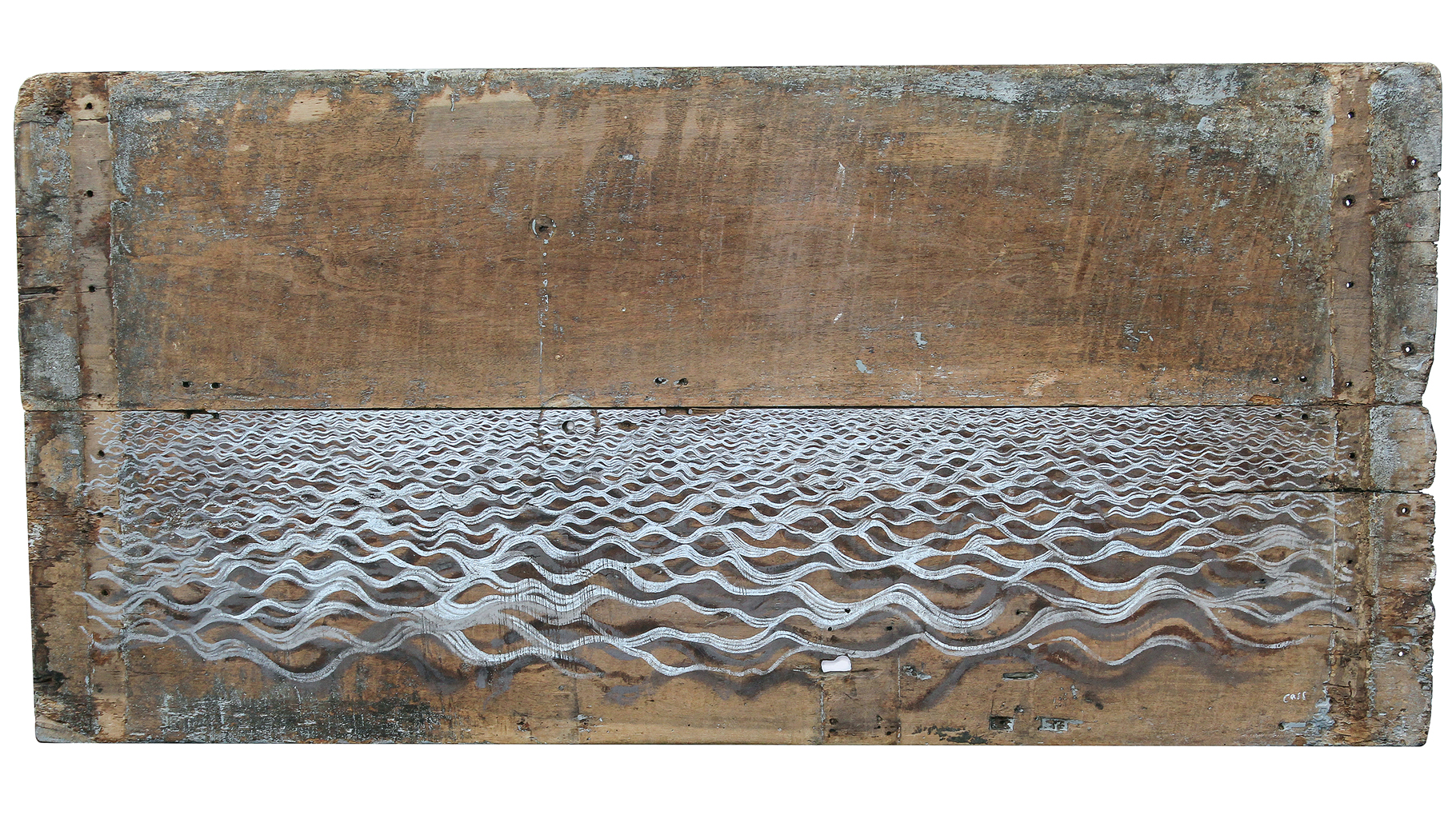
DAVID CASS: To stand back and look over one’s own project is not an easy thing to do. I don’t see Rising Horizon as an end-point, but I can see it as a contained slice of the whole. For one, the show is contained through its materials. It’s a show created from mostly, though not limited to, metal found objects, a consideration which marks its individuality when set against a practice that might be characterised by the obsessive re-purposing of antique wooden substrates. Secondly, Rising Horizon is perhaps the most far-reaching (and by this I mean non-site-specific) exhibition that I’ve ever created. The topic of the series is sea rise, which is a global issue, not exclusive to any single coastline. True, we see certain locations already impacted by rising sea levels, but overall, the rise affects the World Ocean.
You’ve shown before at The Scottish Gallery, but Rising Horizon represents quite a different perspective to previous outings both at The Gallery and elsewhere, and, correct me if I’m wrong, there seems to be a clear narrative unfolding over time that merits some comment maybe, to place Rising Horizon in its wider context. There is a clear message that appears to underpin what you are showing, now, but do you see that as a development of past work or perhaps a continuation of prior interests?
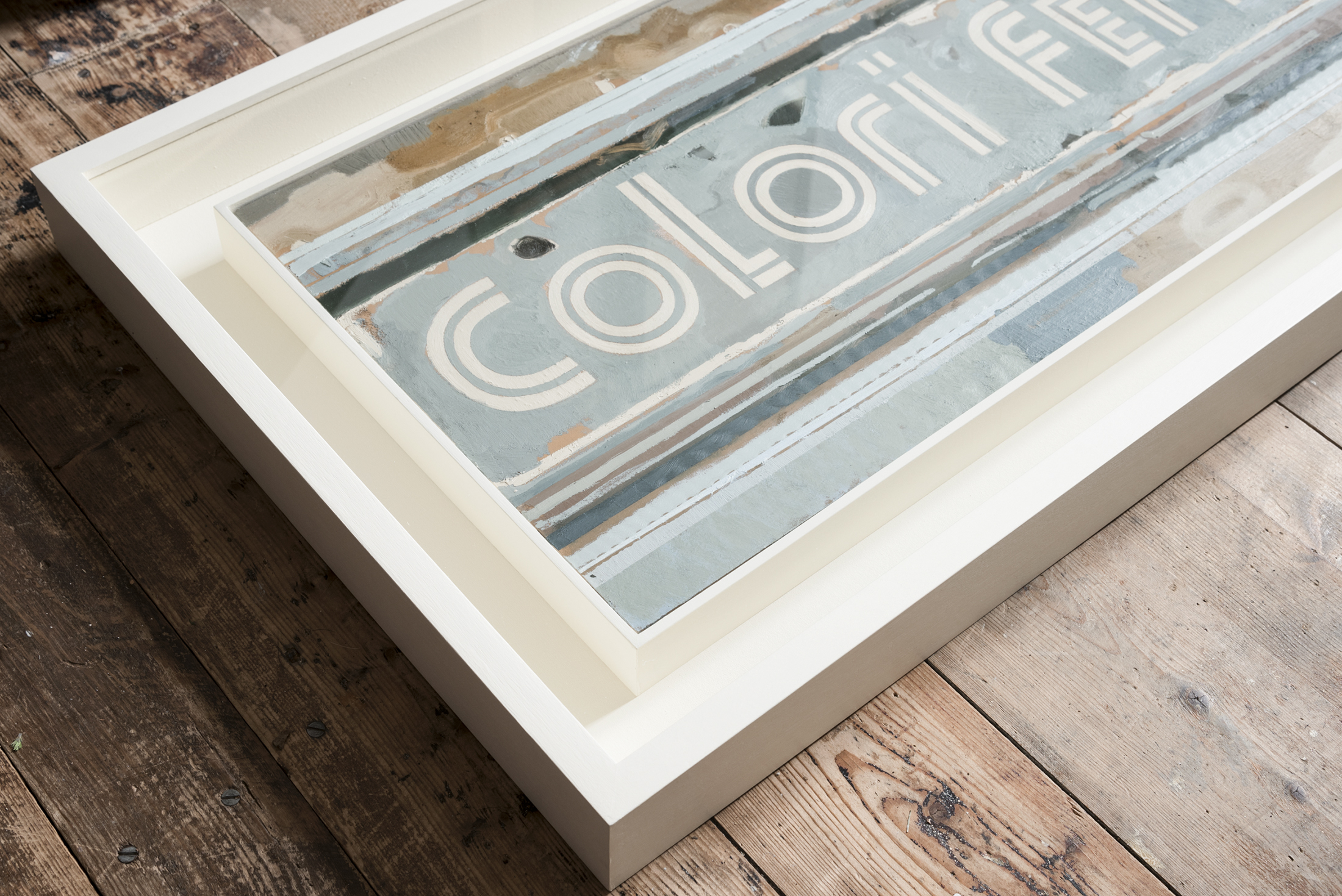
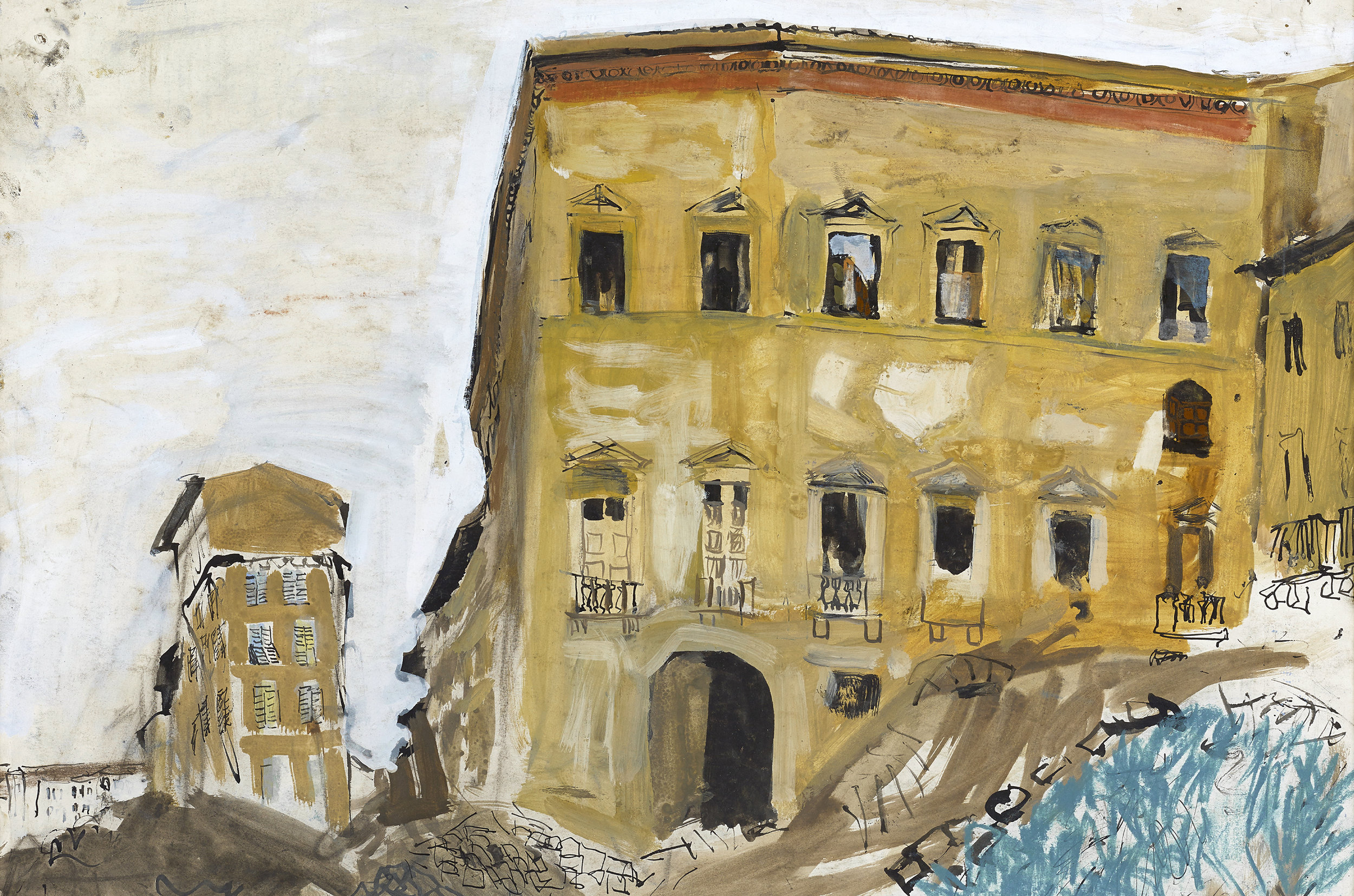
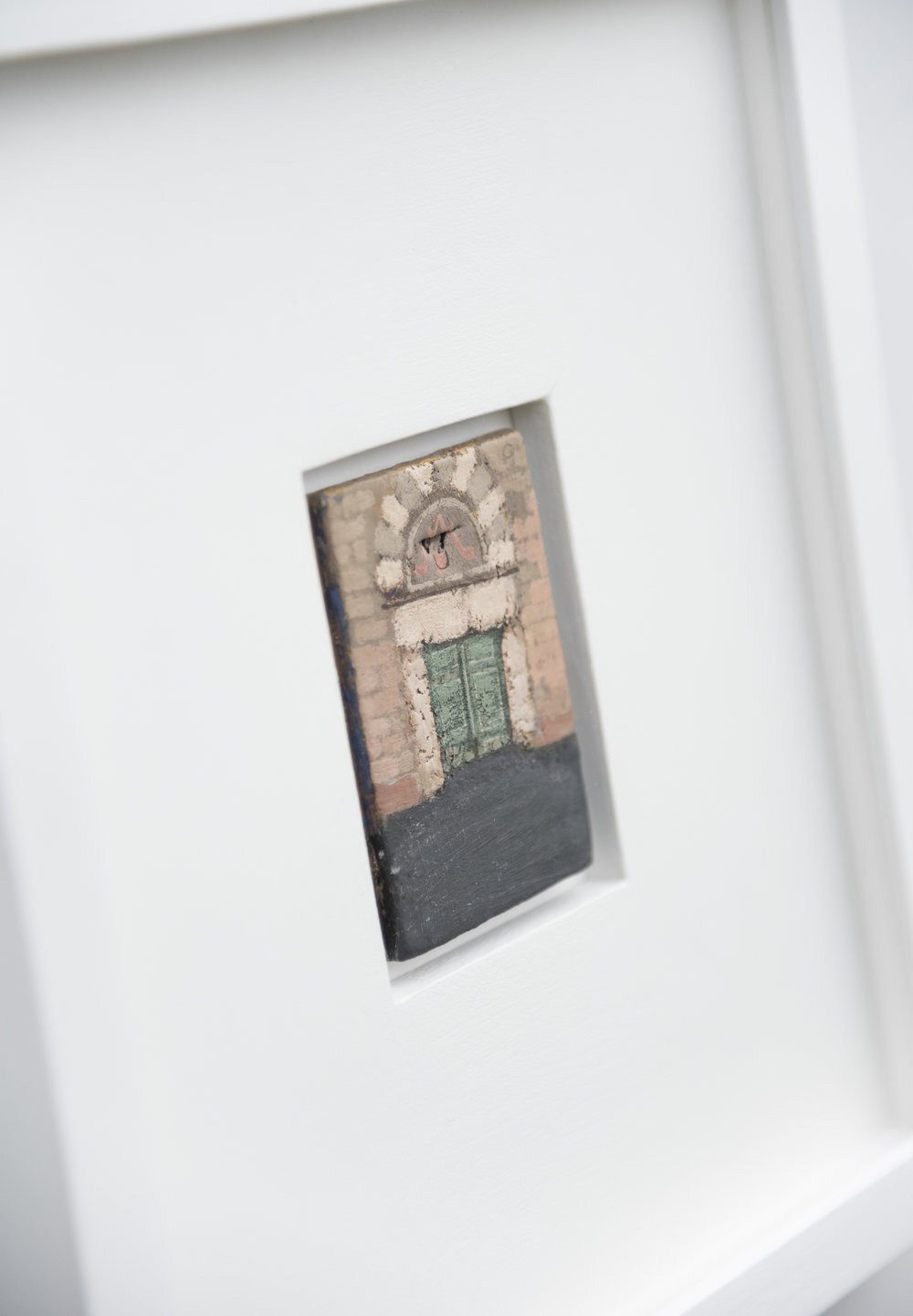
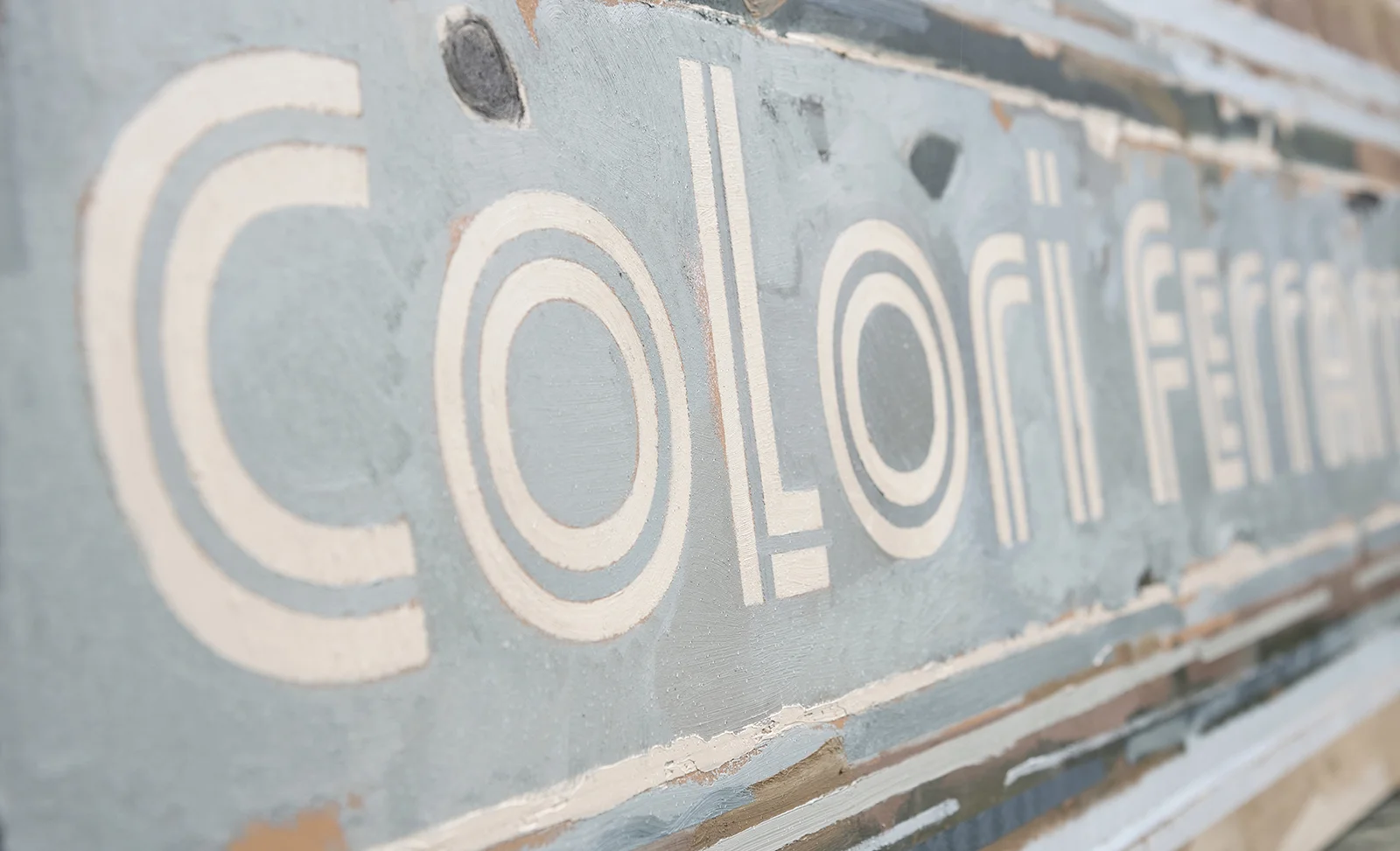
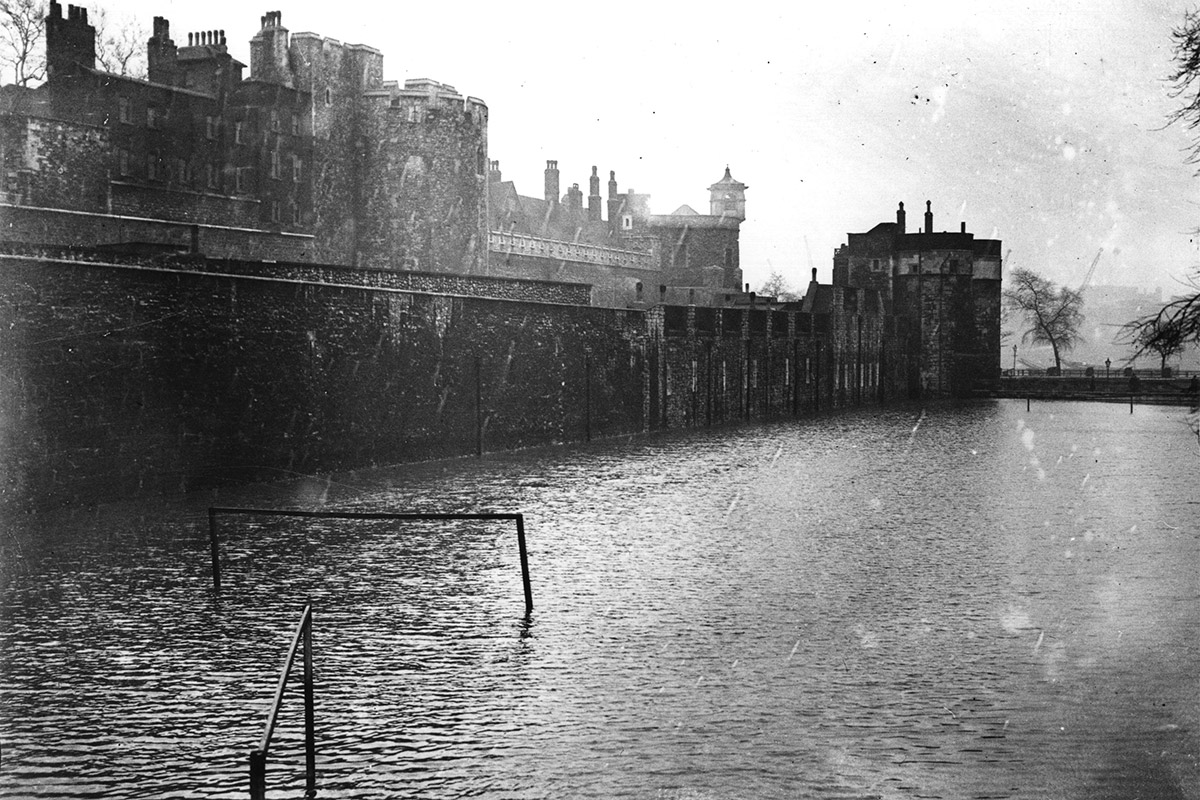
Rising Horizon followed Pelàda, an exhibition that took Venice as an example of localised inundation as a result of environmental, anthropogenic change. The Venice series examined the façades of Venetian buildings as we see them today – tide-marked brick and plaster façades – still exquisite, but eroding, stapled together, plastered with advertisements, and often etched with scrawled admonishments of cruise ships and tourist numbers. The series used the face as a vehicle to convey change, while Rising Horizon zooms out to illustrate, quite simply, a rising horizon line.
The Scottish Gallery posted a time lapse of the hanging of the show online, and it all looked very controlled and very well thought out, but hanging the show must have been quite stressful. It is for most exhibitions, but the hang broke some common rules, didn’t it? There were clusters of work. Works hung at high level, many different ways of presenting what, overall was a coherent body of work. How did that go?
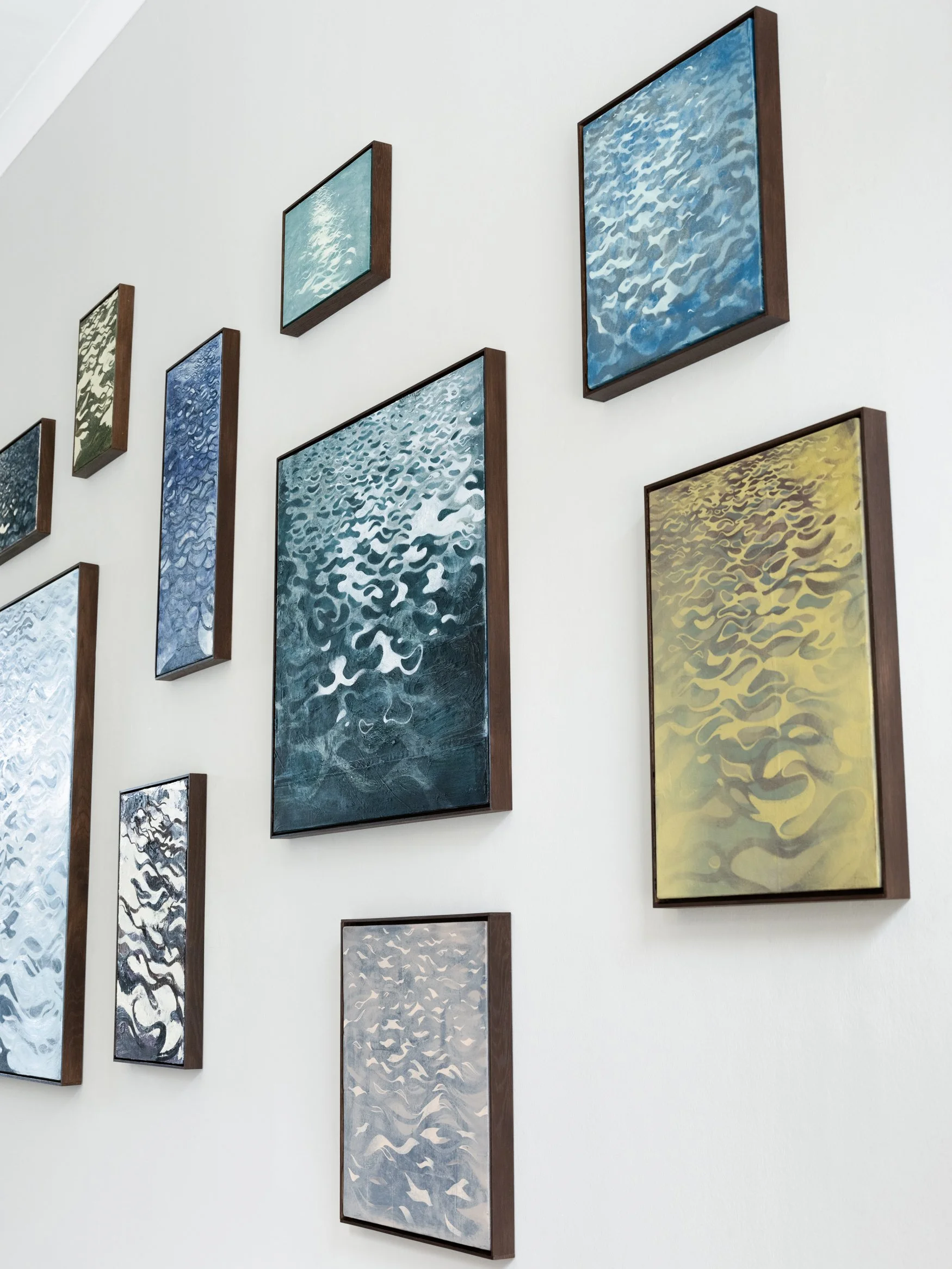
The curation of the show chose not to follow a linear path. Paintings such as ‘Horizon 10%’ did not precede ‘Horizon 20%’. ‘Horizon 44%’ did not sit next to ‘Horizon 45%’. This idea was explored but we quickly discounted it, not because sea rise trends themselves do not follow a linear path (ice melt is not a steady stream, run-off happens in waves, for example) but because Rising Horizon is a painting exhibition, too, and in my practice visual dynamics are key.
Rather than moving through the exhibition fluidly, the eye jumps from one horizon to the next: some positioned over head-height, some below. The curation of Rising Horizon positions the viewer within the exhibition: in the water.
A comment you made on the scale of the works in a previous blog post keeps coming back to me: what you wrote is true of most pieces. You referred to artists who “express environmentalist concerns and perhaps force their argument in bold gestures, while Rising Horizon offers us an antidote to that”. I think you were right in seeing that the work does ask its audience to come in close, quietly, personally. That’s an aspect that is definitely important to me… its intimacy… the attempt to reach each member of its audience as an individual.